
Timber Fencing Greensborough
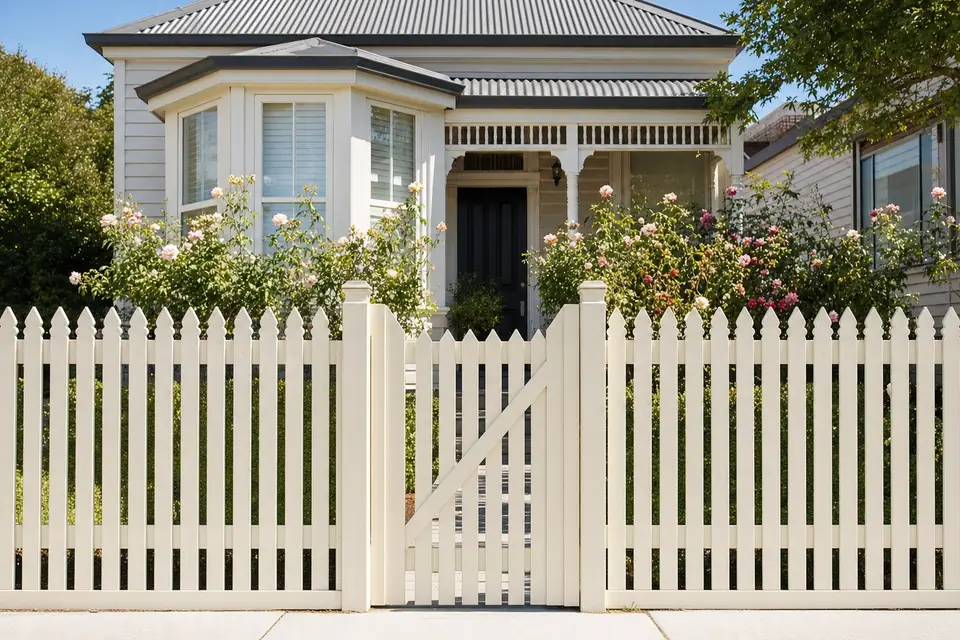
Timber fencing from Allied Fencing in Greensborough means paling fences, made from upright boards called palings, along the side and back boundaries, and picket fences at the front. Picket fences are lower in height, with gaps between the boards.
A timber fence suits the older brick homes and leafy streets in this part of Melbourne. Our installers are insured, and every fence comes with a 3-year workmanship warranty.
- You pick treated pine or hardwood palings.
- A plinth board along the bottom keeps the palings off the soil.
- Your written quote spells out the style, height and length.
Timber fence styles we build
A paling is a single vertical board, and the way the boards sit next to each other gives each style its name.
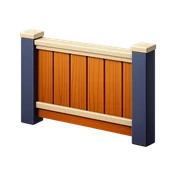
Butted paling
Palings sit side by side with their edges touching. It's the plain, classic backyard fence, and the simplest timber style to build.
Lapped paling
Each paling overlaps the one next to it, so as the timber dries and shrinks there's no gap to see through.
Lap and cap
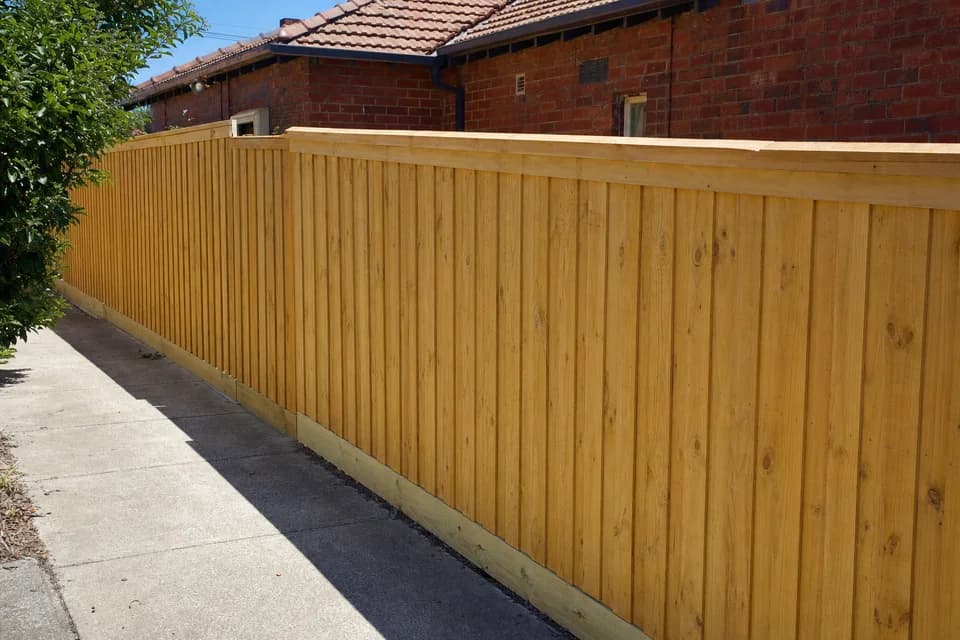
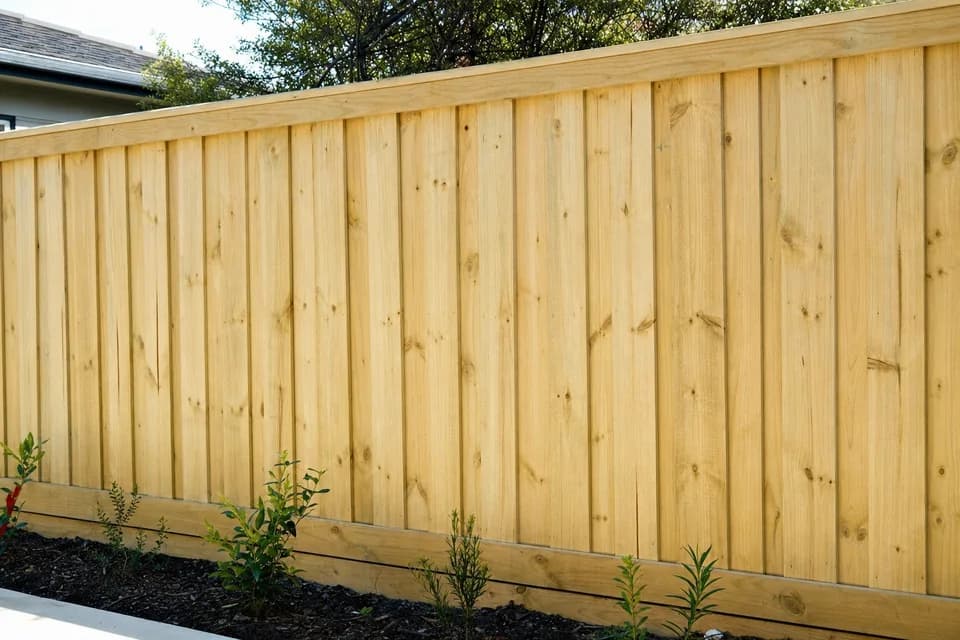
The same overlapped palings, with a flat board called a cap run along the top. The cap covers the cut tops of the palings, which keeps the top straight and stops rain soaking in.
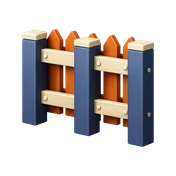
Exposed post
The posts show on one face instead of hiding behind the palings, which gives the fence a stronger, framed look.
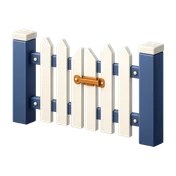
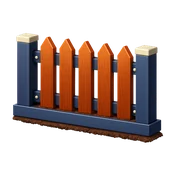
Picket fences
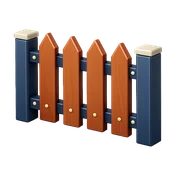
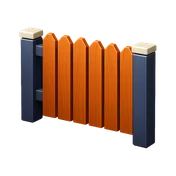
Low, spaced pickets for the front yard, often painted, with a matching gate. They suit period homes and cottages.
Plinth base
Any of these styles can sit on a plinth, so the bottom of the fence is a solid board instead of paling ends.
Treated pine or hardwood?
Treated pine has been pressure-treated with a preservative, which helps it stand up to rot and insects. It's lighter in colour, and it's the usual pick for long back fences.
Hardwood is a denser native timber. It's heavier, a little darker, and many people like the look of it on older homes. Whichever you pick, your quote names the timber for the palings, posts and rails.

Want a price on timber fencing?
Send the suburb, the job and a rough length, and say if there's a slope or an old fence to remove.
What comes with a new timber fence
- The old fence pulled down and taken to the tip
- Posts set in concrete along a string line, so the run is straight
- A plinth along the bottom of the run
- Gates built to match, if you need one
- A chat with your neighbour about the shared boundary
How high should a timber boundary fence be?
Victorian law doesn't set one height for a dividing fence. The state's own guide says a sufficient fence for homes might be a 1.8 metre timber paling fence, and neighbours usually share the cost of that.
Front fences are a different matter, because councils and planning rules can limit their height. Tell us where the fence is going and we'll quote a height that suits the spot.
Timber fencing questions
The length, the ground and whether an old fence has to come out first decide how long it takes. We confirm the build time for your job on the written quote.
Usually, yes. Tell us the style and the timber, or send the length and suburb and we'll look at it when we measure.
Yes. We can build a timber gate to match the new fence, for the side path or the front yard.
Yes. The fence can drop in level steps at each post, or the palings can be cut to follow the ground, and a plinth closes the gap along the bottom.

Get a free quote for timber fencing
Fill in the three short steps and we'll be back to you that day.
- You pick treated pine or hardwood palings.
- A plinth board along the bottom keeps the palings off the soil.
- Your written quote spells out the style, height and length.